As digital dentistry becomes more integrated into daily practice, many dental offices are investing in intraoral scanners, 3D printers, CAD/CAM systems, and digital treatment planning software. However, implementation challenges persist when teams lack structured training in digital workflow execution.
The Digital Dental Assistant Academy (DDAA) will launch March 1, 2026, with the stated goal of addressing the skills gap between technology acquisition and consistent clinical application.
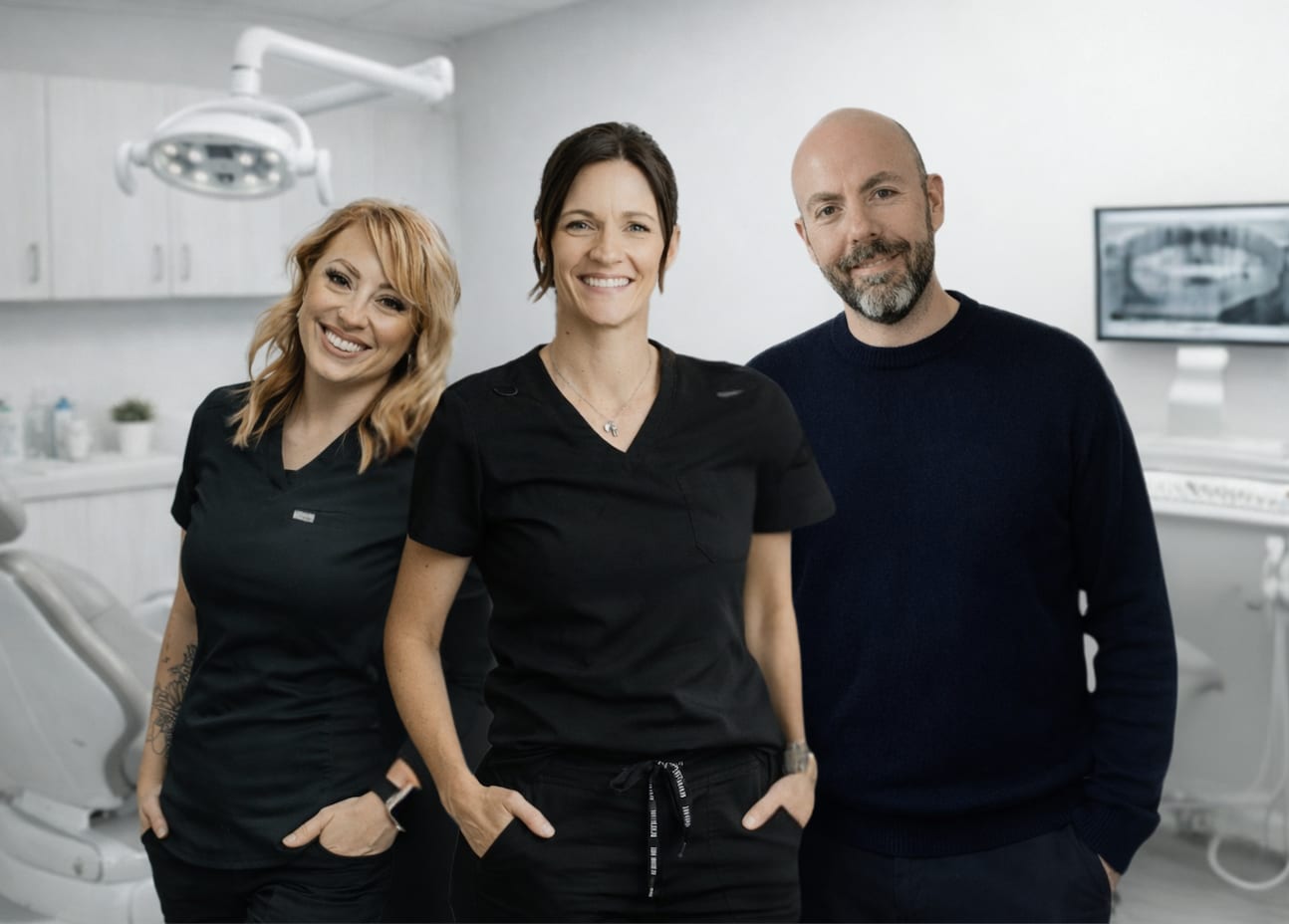
Founded by digital dentistry educators and industry leaders Wayne Glassoff; Rochelle Foote, DA; and Chelsea Homire, EFDA, DDAA is described as a structured education platform designed specifically to train dental assistants in digital workflow implementation.
“Practices invest heavily in digital systems, but without structured team training, those investments stall,” says DDAA Co-founder and CEO Wayne Glassoff. “Dental assistants are the engine behind modern workflows. When they’re trained properly, adoption accelerates, efficiency improves, and practices see measurable return on their investment.”
Emphasis on Workflow Integration
While much continuing education in digital dentistry focuses on clinical theory or product-specific demonstrations, DDAA reports that its curriculum centers on operational workflow integration within active practice settings. Planned offerings include:
- Comprehensive digital dentistry training programs
- Step-by-step workflows for scanners, 3D printing, and digital production
- On-demand online courses and structured learning pathways
- Live virtual instruction and in-office training programs
- Career development and certification pathways for dental assistants
- Educational resources for both dental assistants and practice owners
The academy indicates that its programs are designed to support chairside application and production workflow consistency.
“In many cases, dental assistants are expected to manage digital systems without structured education,” says DDAA Co-founder and CMO Rochelle Foote. “We created DDAA to professionalize that training. DDAA elevates the role of dental assistants across the profession. When assistants are equipped with confidence and competence, practices operate differently.”
Addressing Workforce and Technology Alignment
As digital systems become more prevalent in restorative, surgical, and orthodontic workflows, operational responsibilities frequently extend to dental assistants.
“Technology is evolving faster than most training models,” says DDAA Co-founder and Dean of Education Chelsea Homire, EFDA. “Our goal is to give assistants clear, structured education that translates directly into clinical confidence and workflow consistency. When assistants feel supported, and understand the systems, practices thrive and patients ultimately benefit.”
According to the organization, DDAA’s intended audience includes:
- Dental assistants seeking career development
- Dentists integrating digital technologies into practice
- Dental service organizations (DSOs) and group practices expanding digital workflows
- Dental manufacturers and distributors supporting clinical implementation
- Dental schools and training programs preparing students for digital practice environments
The academy reports that its model combines clinical workflow education with business-oriented operational training to support broader digital integration within practices.
Industry Collaboration
DDAA also states that it plans to collaborate with manufacturers, educators, and technology companies to develop standardized training resources intended to improve consistency in digital adoption.
Through partnerships, live events, webinars, and collaborative curriculum development, the academy aims to function as a centralized educational resource connecting technology development with clinical implementation.
DDAA is scheduled to launch March 1, 2026. Additional information is available at www.theddaa.com.
Figures and Images
DDAA
